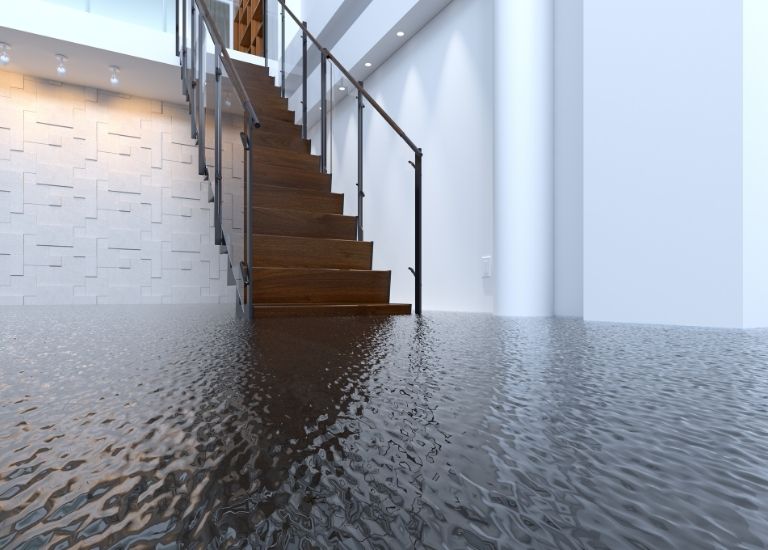
Flood damage can affect a property far beyond what is visible on the surface. While standing water and soaked materials demand immediate attention, one of the biggest risks begins quietly in the background. Mold growth can start within just a couple of days after water intrusion, creating serious concerns for both property damage and indoor air quality. That is why fast and professional water damage restoration is essential for protecting homes and businesses from long term problems.
At Michigan Flood Pros, we help property owners recover quickly after floods, plumbing failures, storm damage, and unexpected water emergencies. Our team specializes in water damage restoration, flood cleanup and restoration, hardwood floor drying, and emergency water removal. We understand how moisture spreads through floors, walls, insulation, and hidden spaces, which is why mold prevention is one of the most important parts of every restoration project we handle.
Why Time is Your Greatest Enemy in Mold Mitigation
The moment water enters a building, a biological countdown begins. Mold spores are naturally present in almost every environment, but they require moisture, a food source, and stagnant air to colonize. In the humid climate of Southeast Michigan, a damp environment provides the perfect breeding ground for these fungi to thrive. When we arrive at a site for water damage restoration, our primary goal is to interrupt this growth cycle by rapidly removing the moisture that facilitates it.
If water is left to sit for more than two days, the risk of significant mold contamination increases exponentially. This is why we emphasize the importance of our twenty four hour emergency availability. Waiting even a single day to begin the drying process can mean the difference between a simple water extraction job and a complex, expensive mold remediation project.
Assessing the Vulnerability of Your Building Materials
Not all surfaces respond to water in the same way. In our experience, understanding the porosity of your building materials is essential for creating an effective drying plan. Porous materials like drywall, carpeting, and insulation act like sponges, pulling water deep into their fibers where it becomes trapped and hidden from the naked eye. Non porous materials such as tile or certain metals are more resilient but still require professional sanitization to remove contaminants carried in by floodwaters.
| Material Category | Examples | Mold Risk Level | Primary Mitigation Strategy |
| Highly Porous | Drywall, Carpet, Insulation | Critical | Immediate extraction and possible removal |
| Semi Porous | Hardwood Floors, Plywood | High | Precision drying and moisture monitoring |
| Non Porous | Ceramic Tile, Metal, Glass | Low | Surface sanitization and dehumidification |
Signs of Mold After Water Damage
Not all mold problems are immediately visible. In many cases, mold develops behind walls, beneath flooring, or inside insulation before property owners notice warning signs.
Common signs that mold may be developing after flood damage include:
- Musty odors
- Discoloration on walls or ceilings
- Increased allergy symptoms
- Warped flooring or bubbling paint
- Lingering humidity indoors

Why DIY Cleanup Often Misses Hidden Moisture
DIY flood cleanup often fails because standard methods like fans and vacuums only address surface water. Without professional moisture detection tools, property owners miss hidden moisture trapped deep inside materials like walls and flooring. This unseen moisture, even in small amounts, can lead to mold growth and structural deterioration.
The risks of incomplete DIY drying include long-term issues like mold, structural damage, and poor indoor air quality, in addition to immediate hazards such as contaminated water and electrical safety issues. Professional water damage restoration provides a more complete solution that ensures the property is dried completely and safely, protecting both the structure and the people inside it.
Our Process for Mold Prevention After Flood Damage
At Michigan Flood Pros, we focus on fast response times and thorough restoration solutions designed to reduce long term damage. Every water emergency is different, but our process is built around protecting the property from future mold issues.
Inspection and Moisture Assessment: We begin by identifying all affected areas, including hidden moisture that may not be visible immediately.
Emergency Water Removal: Our extraction equipment removes standing water quickly to limit further absorption into materials.
Structural Drying and Dehumidification: We use commercial drying systems to stabilize moisture levels throughout the property.
Hardwood Floor Drying: When possible, we use specialized drying systems to help preserve hardwood flooring and subfloors.
Monitoring and Moisture Verification: Throughout the drying process, we monitor moisture readings to ensure proper restoration progress.
Cleanup and Restoration: Once drying is complete, we restore affected areas and help return the property to a safe condition.
How Professional Drying Prevents Mold Problems
Removing visible water is only the first step. Proper structural drying is what truly helps prevent mold after a flood. Many surfaces may appear dry while hidden moisture remains trapped underneath.
Our restoration process includes advanced drying techniques designed to target moisture throughout the affected structure. We use high powered air movers, commercial dehumidifiers, and moisture detection equipment to monitor drying progress accurately. Professional drying is critical for:
Hardwood Floor Drying: Hardwood flooring is especially vulnerable to water damage. Moisture can seep beneath planks and into the subfloor, causing swelling, warping, and mold growth underneath the surface. We use specialized hardwood floor drying systems that help remove trapped moisture while reducing the need for costly floor replacement. Fast action often improves the chances of saving existing hardwood materials.
Wall and Ceiling Drying: Drywall absorbs water quickly and can become a breeding ground for mold if moisture remains inside wall cavities. Our drying methods help reduce moisture within hidden structural areas before mold has the opportunity to spread.
Crawl Space and Basement Moisture Control: Lower levels of a property often remain humid long after flooding occurs. Dehumidification and airflow management are essential for stabilizing moisture levels and protecting the structure.
Documentation and the Insurance Claims Process: We understand that working with insurance providers can be as stressful as the flood itself. To reduce that stress, we maintain thorough documentation for every project, including moisture readings, before and after photos, and detailed service reports. This level of transparency supports a smoother claims process and helps you secure the coverage you deserve for your restoration and repair needs.
Frequently Asked Questions
How Quickly Can Mold Grow After A Flood?
Mold can begin developing within 24 to 48 hours after water exposure. Fast emergency water removal and professional drying are essential for reducing this risk.
Can Hardwood Floors Be Saved After Water Damage?
In many situations, yes. Professional hardwood floor drying techniques can help remove trapped moisture and reduce the likelihood of permanent damage if treatment begins quickly.
Is Professional Water Damage Restoration Necessary For Small Floods?
Even smaller water incidents can create hidden moisture problems behind walls and beneath flooring. Professional restoration helps ensure the property is dried completely and safely.
Overcoming Property Disasters with Proven Restoration Expertise
When water threatens your property, you need a team that combines technical expertise with the care of a family owned business. We are proud to be IICRC certified and fully insured, ensuring that we bring the highest industry standards to every residential and commercial job in Metro Detroit. From the initial emergency extraction to the final structural repairs, we manage every detail so you can focus on getting your life back to normal.
At Michigan Flood Pros, we treat your home as if it were our own, offering honest pricing and personalized service that big corporations simply cannot match. If you are facing a water emergency or have concerns about potential mold growth after a recent leak, do not wait for the situation to worsen. Contact us today for a professional assessment and the rapid response your property deserves.